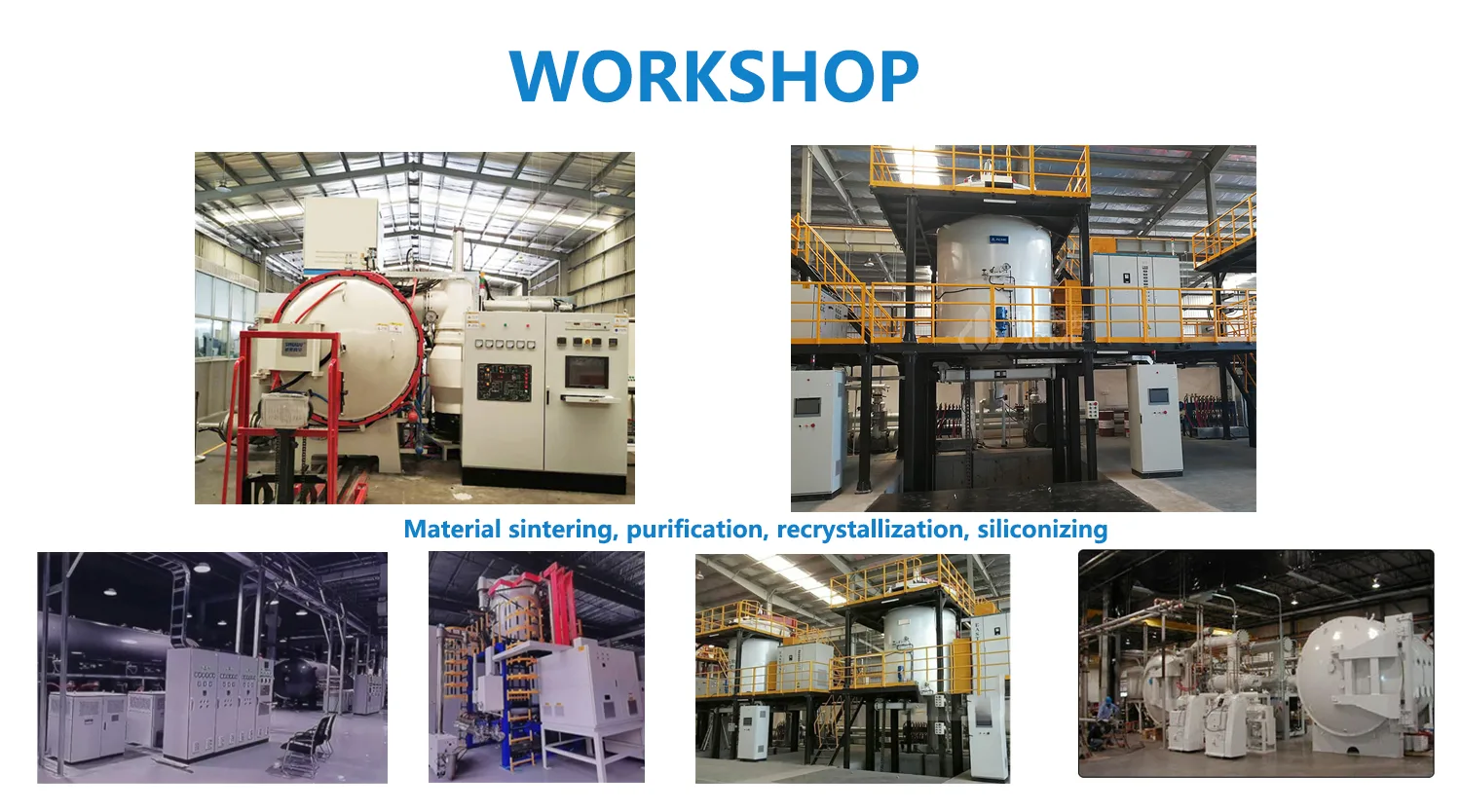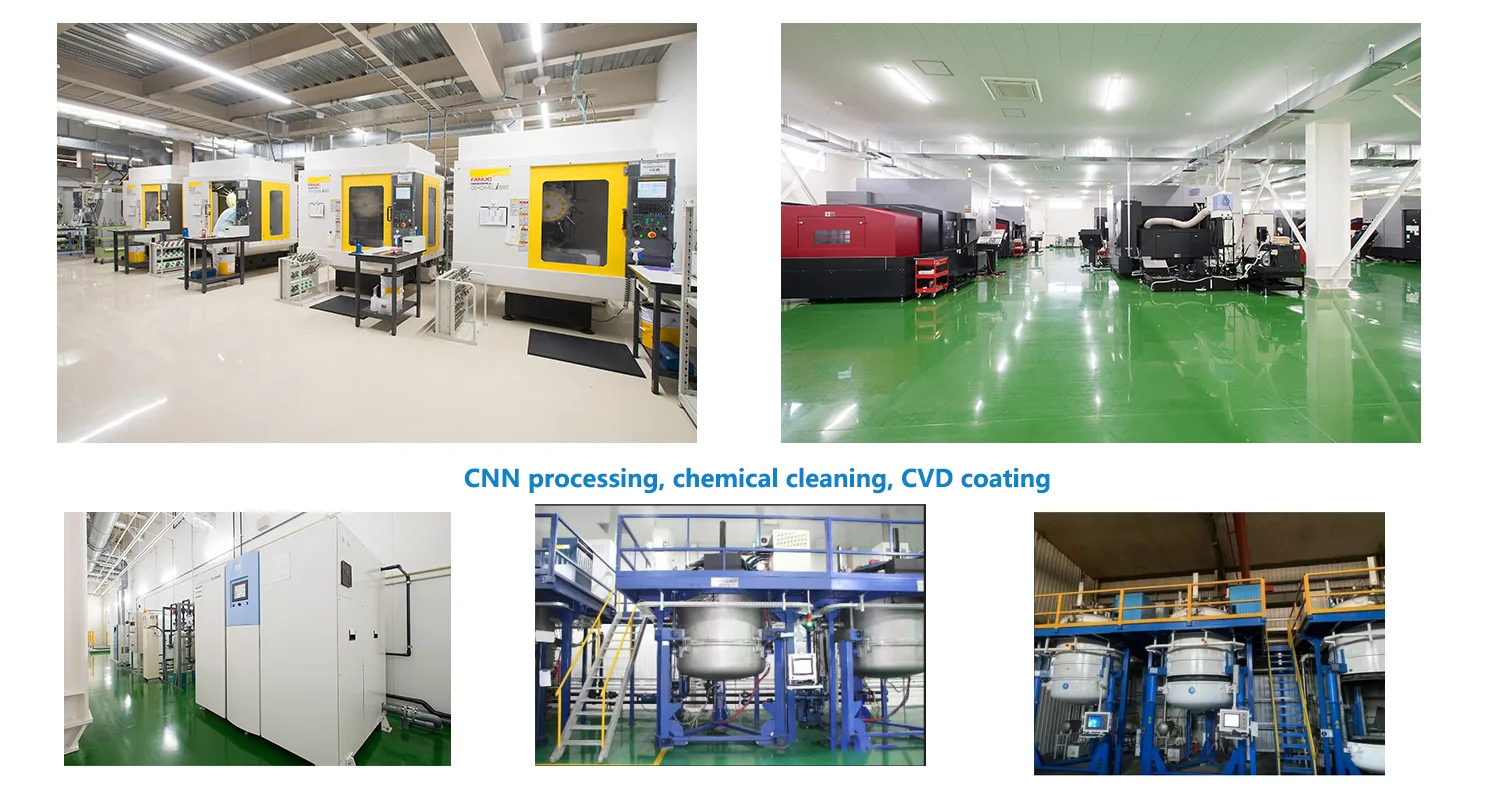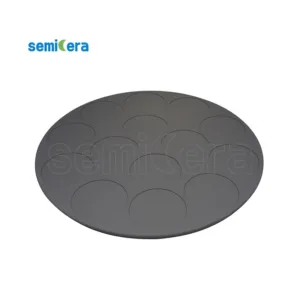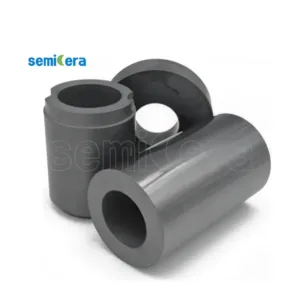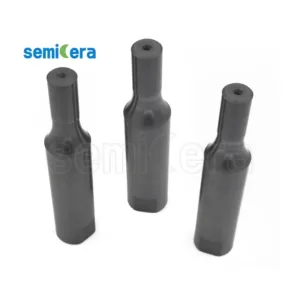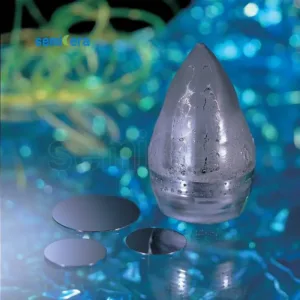
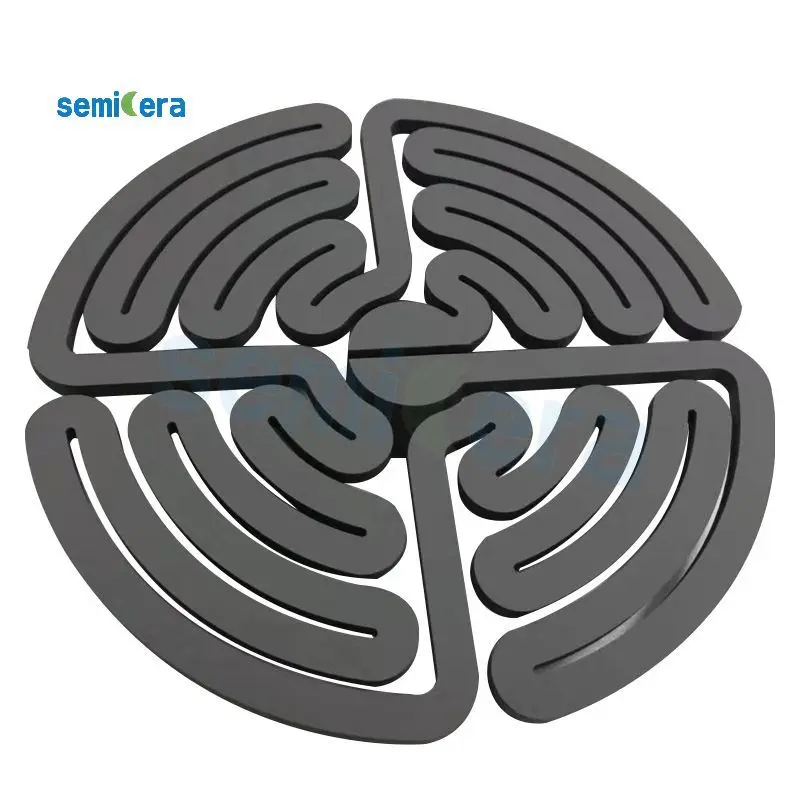
Nuestra compañía proporciona servicios de procesos de recubrimiento SIC mediante el método de CVD en la superficie del grafito, la cerámica y otros materiales, de modo que los gases especiales que contienen carbono y silicio reaccionan a alta temperatura para obtener moléculas SiC de alta pureza, moléculas depositadas en la superficie de los materiales recubiertos, formando una capa protectora SIC.
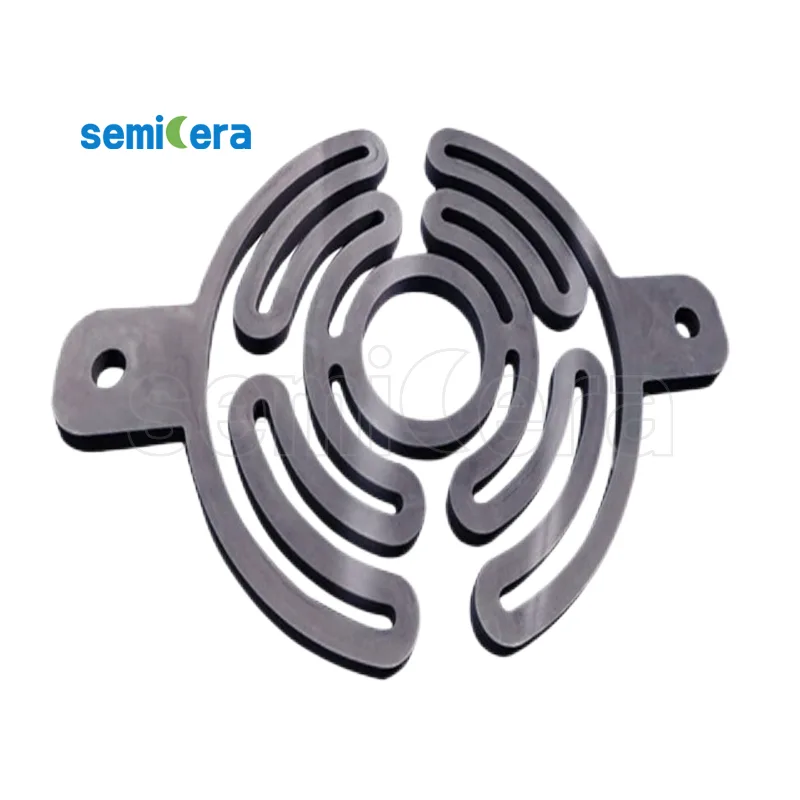
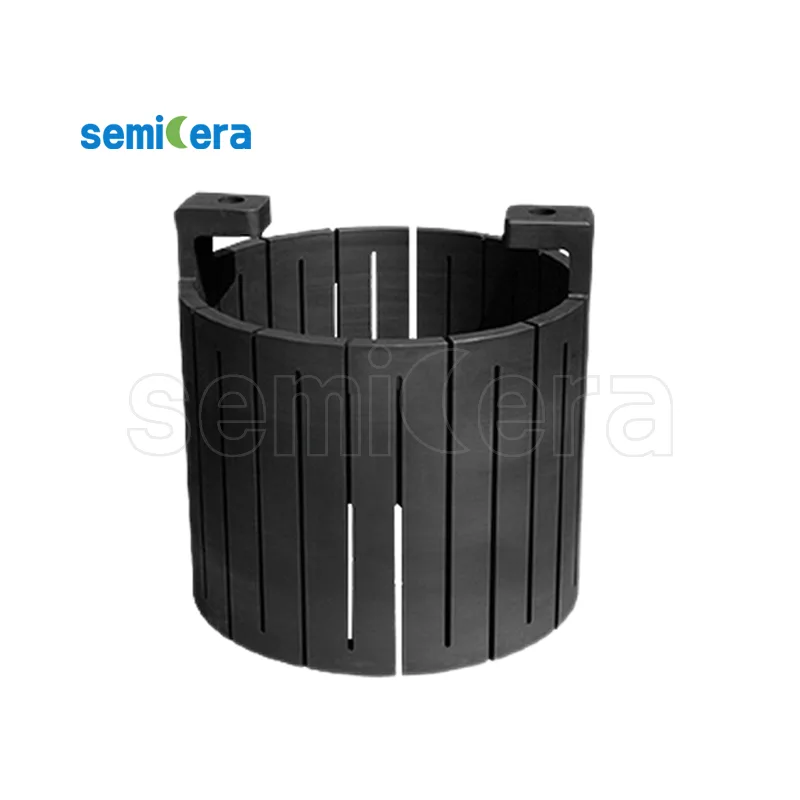
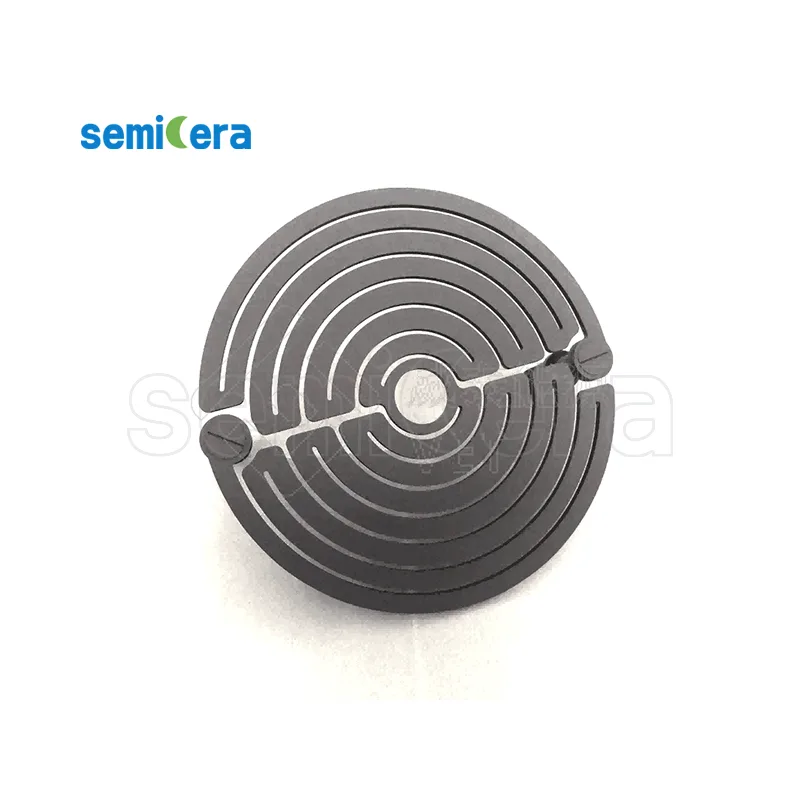
1. Resistencia a la oxidación de alta temperatura:
La resistencia a la oxidación sigue siendo muy buena cuando la temperatura es tan alta como 1600 C.
2. Alta pureza: hecha por deposición de vapor químico en una condición de cloración de alta temperatura.
3. Resistencia a la erosión: alta dureza, superficie compacta, partículas finas.
4. Resistencia a la corrosión: ácido, álcali, sal y reactivos orgánicos.
|
Propiedades de SIC-CVD |
||
| Estructura cristalina | FCC β phase | |
| Densidad | g/cm ³ | 3.21 |
| Dureza | Dureza de Vickers | 2500 |
| Tamaño de grano | μm | 2~10 |
| Pureza química | % | 99.99995 |
| Capacidad de calor | J·kg-1 ·K-1 | 640 |
| Temperatura de sublimación | ℃ | 2700 |
| Fuerza del felexural | MPa (RT 4-point) | 415 |
| Young’ s Modulus | GPA (4pt Bend, 1300 ℃) | 430 |
| Expansión térmica (CTE) | 10-6K-1 | 4.5 |
| Conductividad térmica | (W/mk) | 300 |