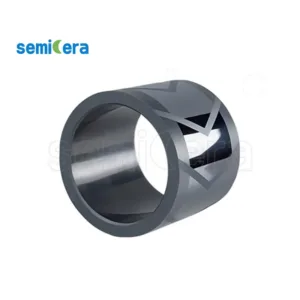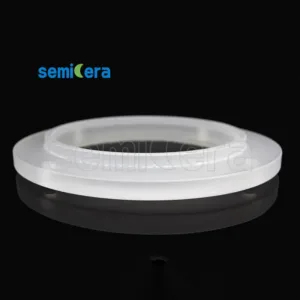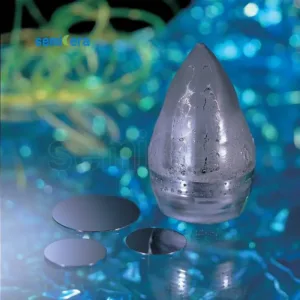
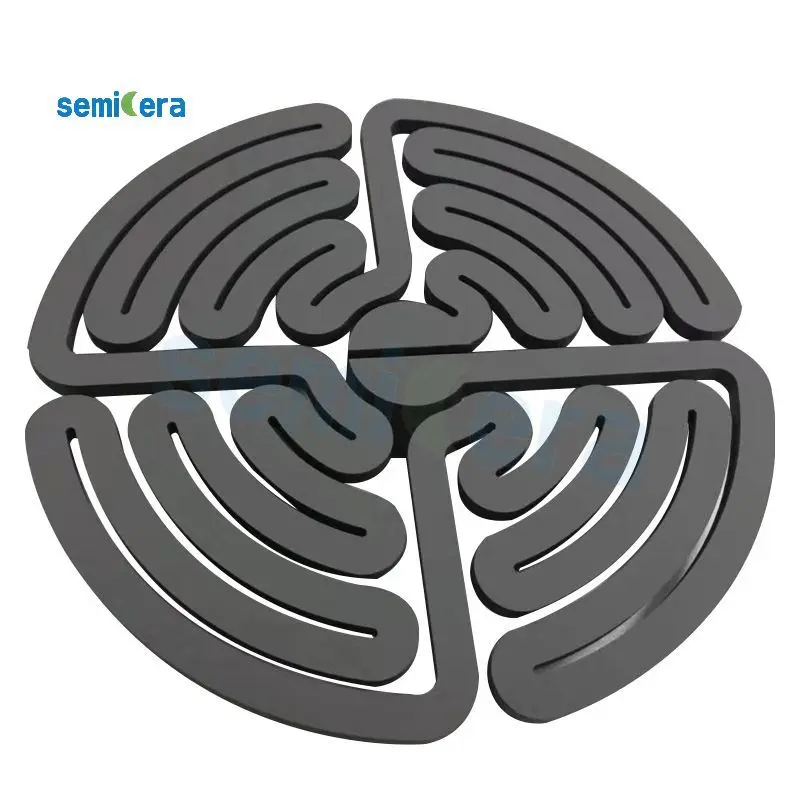
La nostra azienda fornisce servizi di processo di rivestimento SIC con metodo CVD sulla superficie di grafite, ceramica e altri materiali, in modo che gas speciali contenenti carbonio e silicio reagiscono ad alta temperatura per ottenere molecole SiC ad alta purezza, molecole depositate sulla superficie dei materiali rivestiti, formando lo strato di protezione SIC.
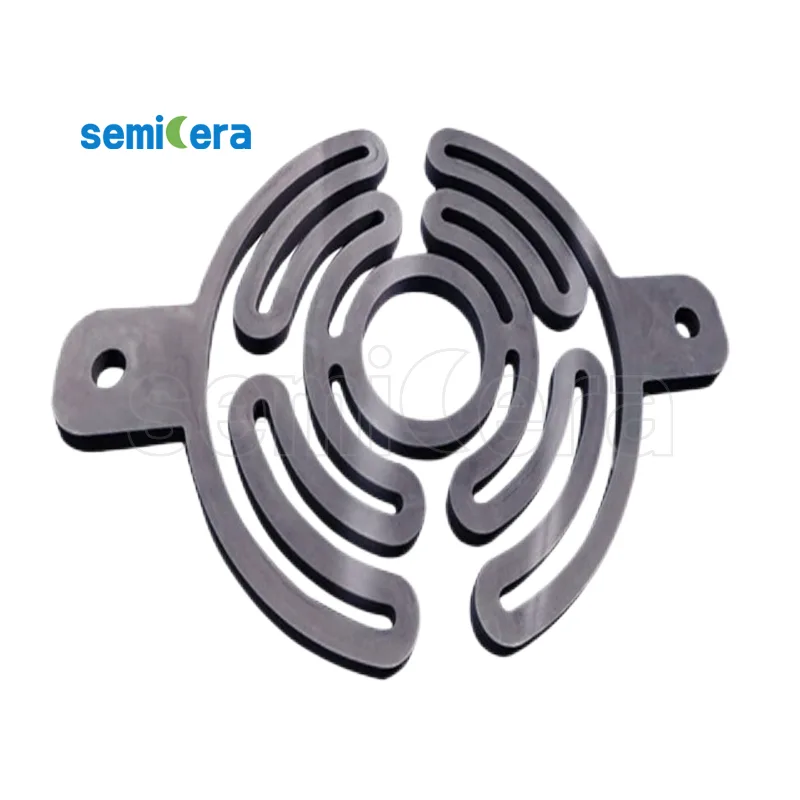
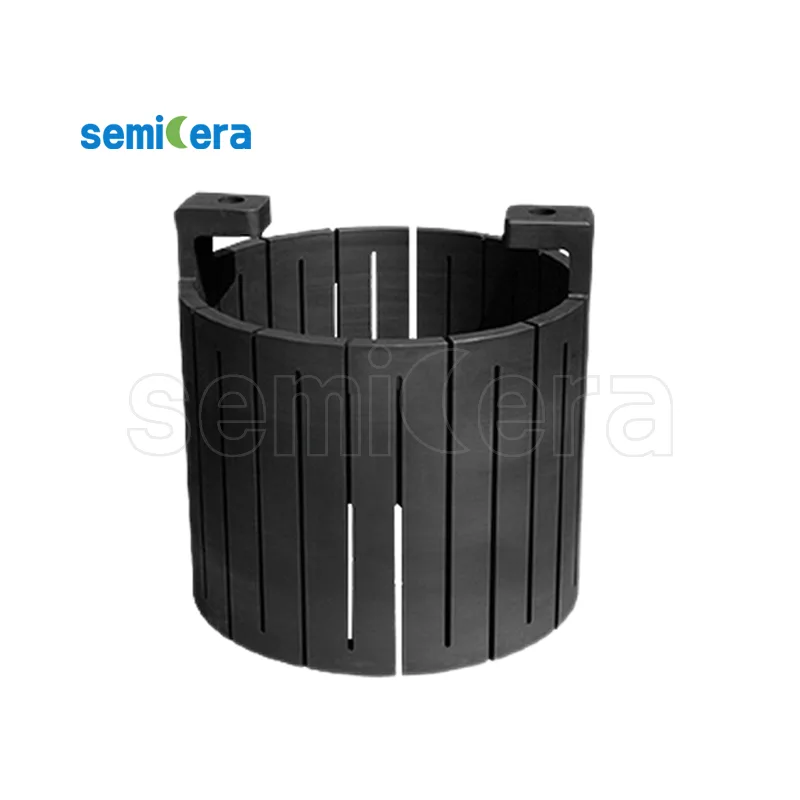
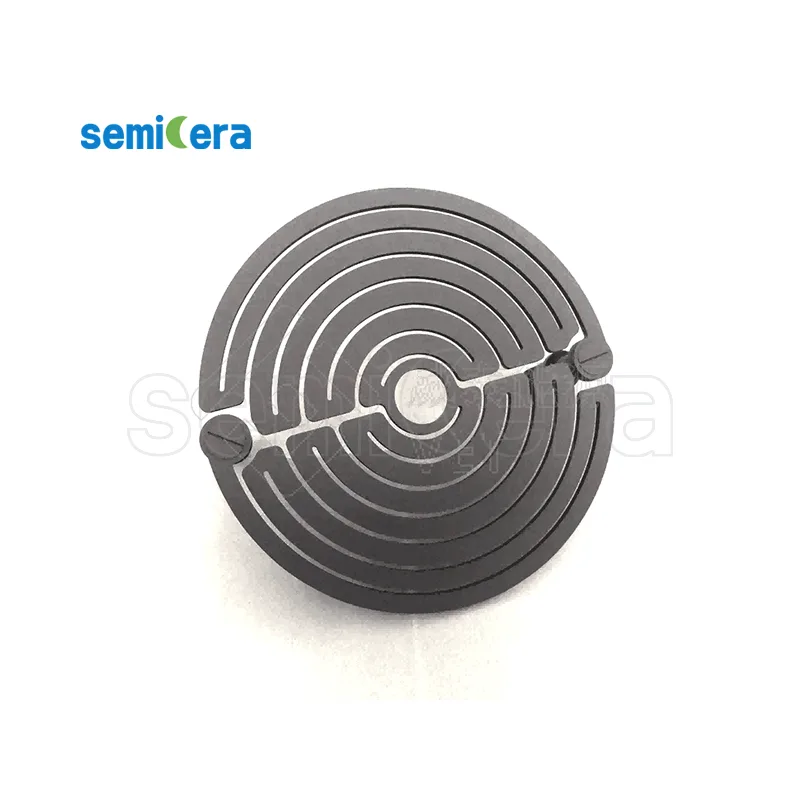
1. Resistenza all'ossidazione ad alta temperatura:
La resistenza all'ossidazione è ancora molto buona quando la temperatura è alta fino al 1600 C.
2. Purità elevata: realizzata mediante deposizione di vapore chimico in condizioni di clorazione ad alta temperatura.
3. Resistenza all'erosione: alta durezza, superficie compatta, particelle fini.
4. Resistenza alla corrosione: acido, alcali, sale e reagenti organici.
|
Proprietà SIC-CVD |
||
| Struttura cristallina | FCC β phase | |
| Densità | g/cm ³ | 3.21 |
| Durezza | Vickers Durezza | 2500 |
| Dimensione del grano | μm | 2~10 |
| Purezza chimica | % | 99.99995 |
| Capacità termica | J·kg-1 ·K-1 | 640 |
| Temperatura di sublimazione | ℃ | 2700 |
| Forza felexurale | MPa (RT 4-point) | 415 |
| Young’ s Modulus | GPA (4pt Bend, 1300 ℃) | 430 |
| Espansione termica (CTE) | 10-6K-1 | 4.5 |
| Conducibilità termica | (W/MK) | 300 |