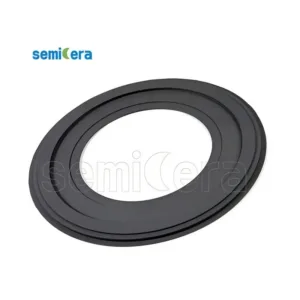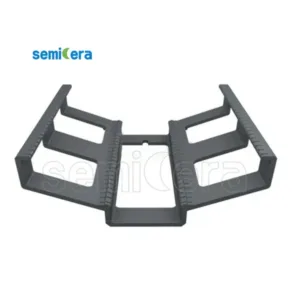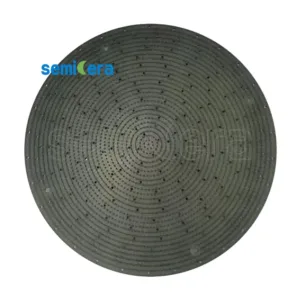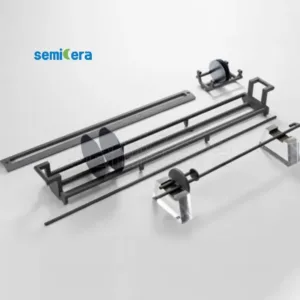
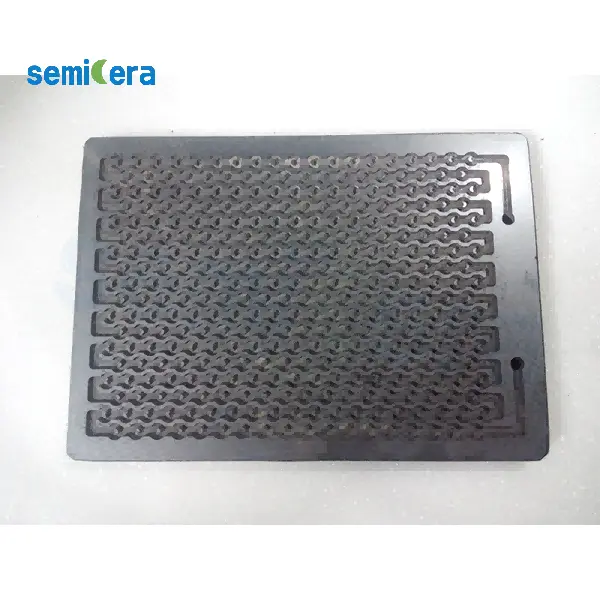
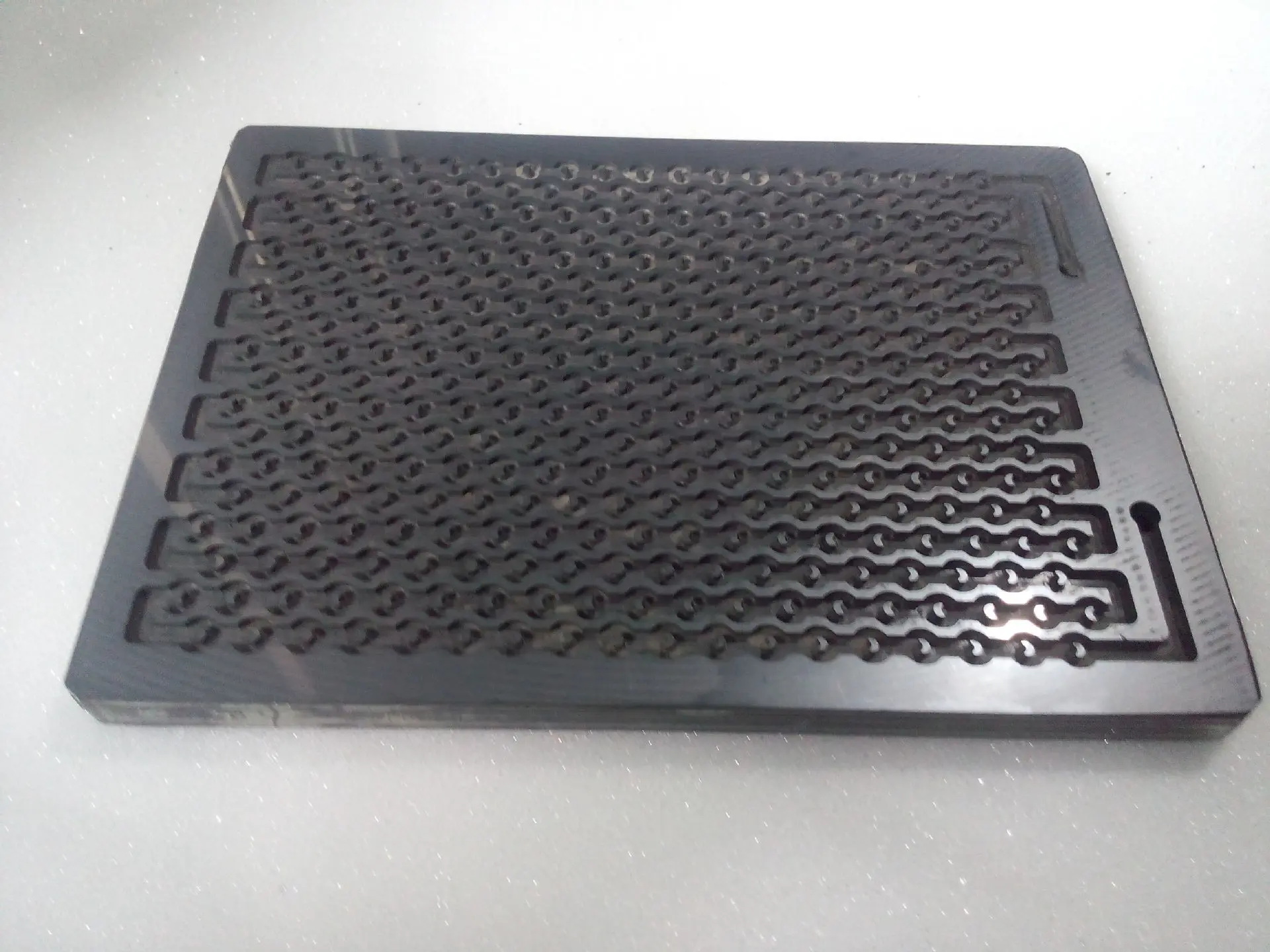
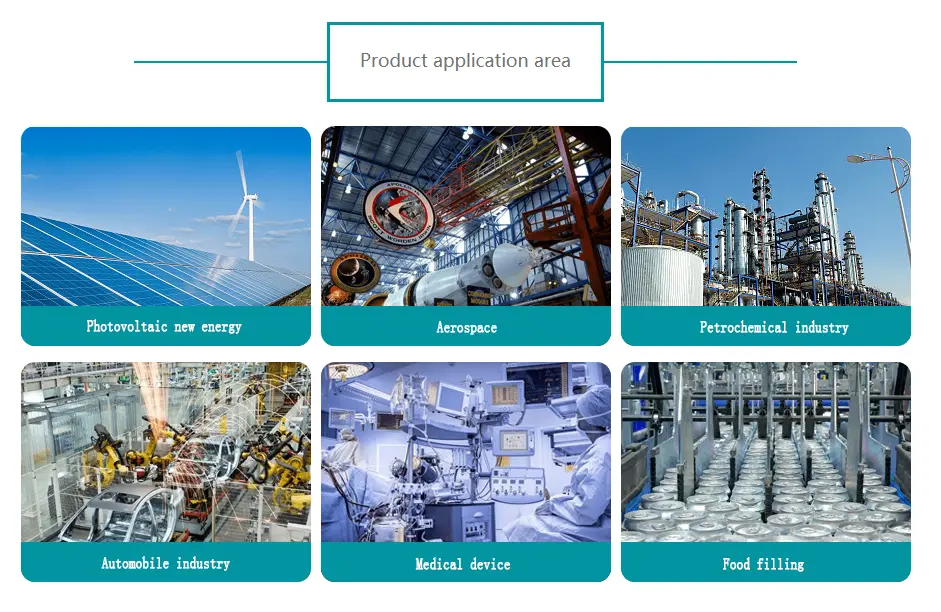
Silicon Carbide (SiC) Microreactive Plates are advanced ceramic components manufactured from high-purity silicon carbide materials. Featuring exceptional high-temperature strength, excellent wear resistance, superior thermal stability, low thermal expansion, high thermal conductivity, and outstanding chemical corrosion resistance, they are widely used in chemical processing, environmental protection, semiconductor manufacturing, energy systems, aerospace, and advanced industrial applications.
The unique microchannel structure enables highly efficient heat transfer and mass transfer, making SiC microreactive plates an ideal solution for continuous-flow reactions, high-temperature processes, and corrosive operating environments.
SiC exhibits exceptional resistance to most acids and corrosive chemicals, including:
This makes it particularly suitable for harsh chemical processing environments.
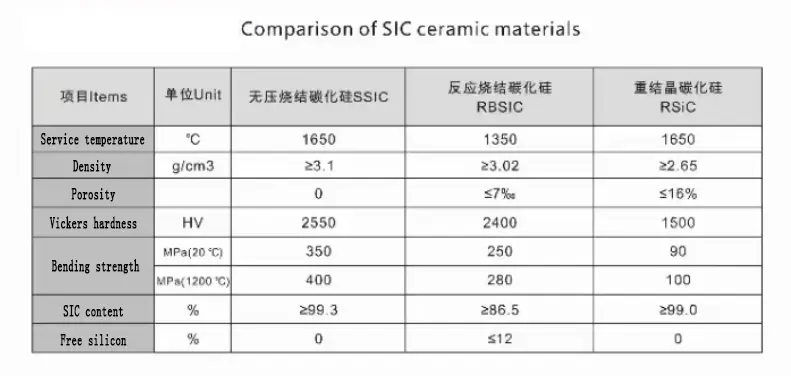
Compared with quartz materials, silicon carbide offers significantly higher structural strength and longer service life.
With a thermal conductivity of approximately 140 W/m·K, SiC enables rapid heat transfer and uniform temperature distribution, significantly improving reaction efficiency.
The combination of low thermal expansion coefficient and high thermal conductivity allows the material to withstand rapid temperature fluctuations without cracking.
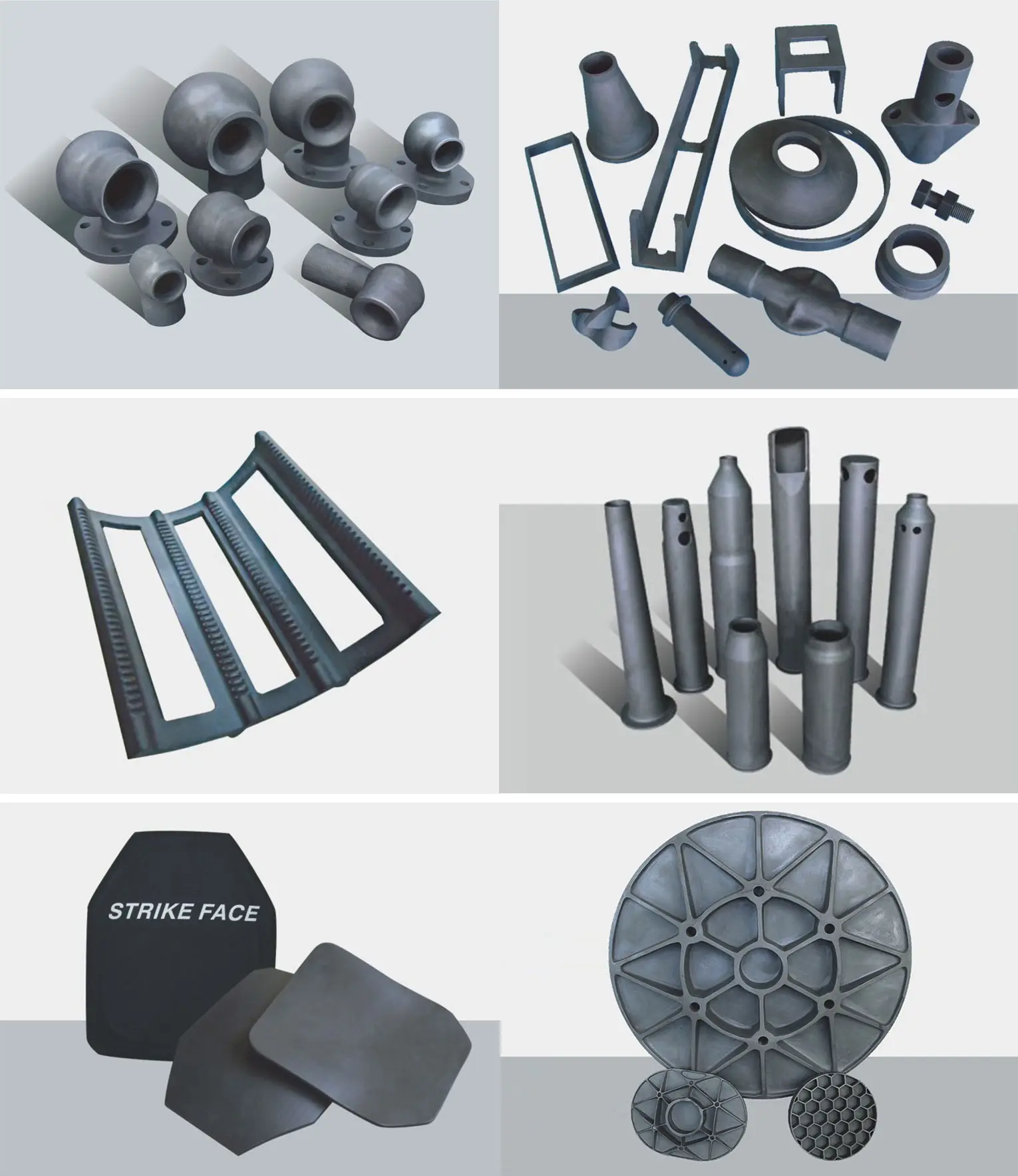
Semicera is a manufacturing-oriented enterprise specializing in the R&D, production, and sales of silicon carbide ceramic products. Since its establishment in 2016, the company has built a complete in-house production system, including isostatic pressing, high-tonnage pressing, slip casting, and vacuum extrusion processes.
Equipped with 6 silicon carbide ceramic sintering production lines, 8 CNC machining centers, and 6 precision grinding machines, Semicera operates a fully industrialized manufacturing workflow from forming to precision finishing. In addition to sintered silicon carbide components, the company also provides machining and customization services for silicon carbide ceramics, alumina ceramics, aluminum nitride ceramics, and zirconia ceramics, supporting large-scale, stable, and high-precision production requirements.