
الاختلافات بين أسطوانات العزل المملوءة بمركبات الكربون الكلورية فلورية ومكونات مركبات الكربون الكلورية فلورية الأخرى
يكمن التمييز الأساسي بين الأنابيب العازلة ذات اللباد الصلب لمركبات الكربون الكلورية فلورية والمكونات الهيكلية الأخرى لمركبات الكربون الكلورية فلورية (مثل بوتقات مركبات الكربون الكلورية فلورية وأنابيب تدفق مركبات الكربون الكلورية فلورية وحلقات دعم مركبات الكربون الكلورية فلورية) في حقيقة أن الأنابيب العازلة ذات اللباد الصلب لمركبات الكربون الكلورية فلورية تعمل كمواد عازلة بدلاً من المكونات الهيكلية الحاملة.
لماذا توجد ثقوب صغيرة في أنبوب التحويل الخارجي لمركبات الكربون الكلورية فلورية؟
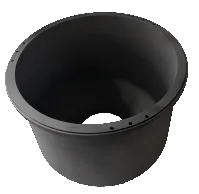
يتميز أنبوب الحارف الخارجي CFC بحافة دائرية مكونة من حواف الحافة وفتحات الهواء الحلقية. لم يتم تصميم فتحات الهواء هذه بشكل تعسفي ولكنها مصممة خصيصًا لهيكل المجال الحراري والتحكم في تدفق الهواء ومتطلبات تثبيت التثبيت.
حلول وممارسات بوتقة مركبات الكربون الكلورية فلورية لأفران نمو بلورات أشباه الموصلات
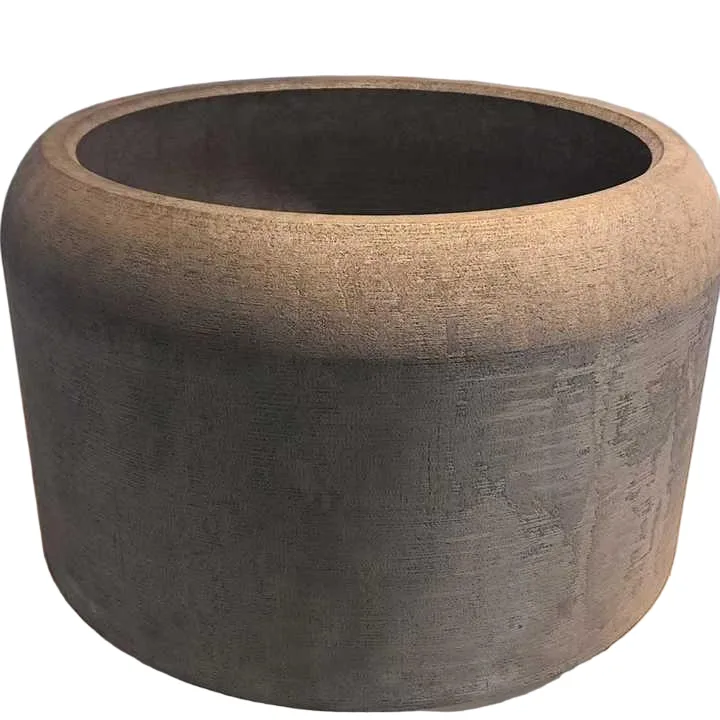
بوتقة مركبات الكربون الكلورية فلورية, تُعرف أيضًا باسم البوتقة المركبة من الكربون/الكربون، وهي عبارة عن حاوية عالية القوة ومقاومة لدرجات الحرارة العالية مصنوعة من مصفوفة كربون معززة بألياف الكربون. يتم استخدامه في المقام الأول في البيئات الحرارية ذات درجة الحرارة العالية لإنتاج السيليكون أحادي البلورات وأشباه الموصلات.
الابتكار في مكونات المجال الحراري الصناعي عالي الحرارة - حلقة دعم مركبات الكربون الكلورية فلورية
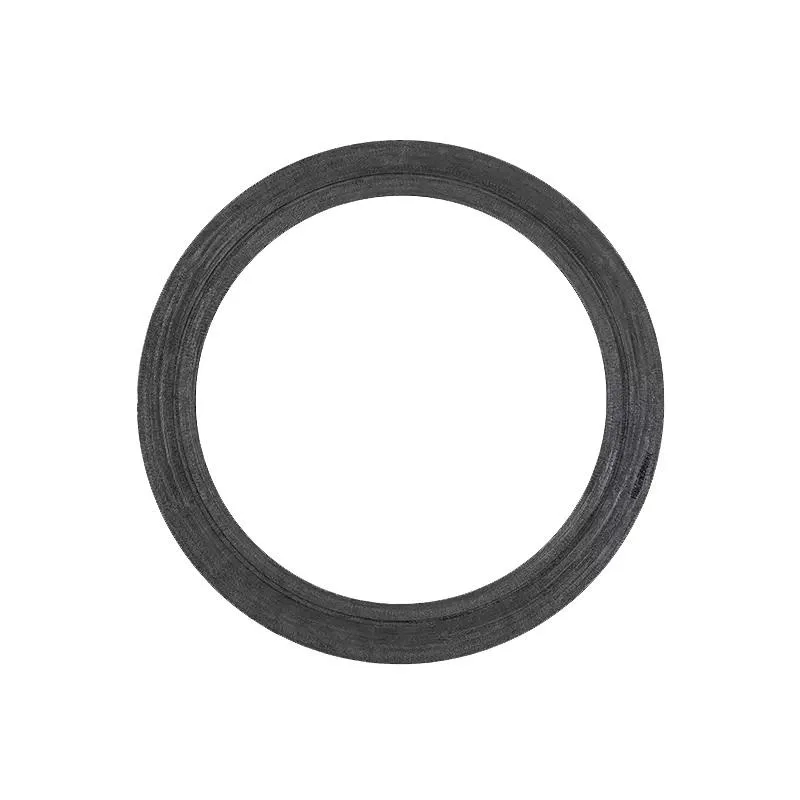
إن حلقة دعم مركبات الكربون الكلورية فلورية، والمعروفة أيضًا باسم حلقة الدعم المركبة القائمة على الكربون المعززة بألياف الكربون، عبارة عن مكون هيكلي عالي الأداء تم تصنيعه باستخدام ألياف الكربون كتعزيز والكربون كمصفوفة من خلال عمليات الكربنة والجرافيت.
تطبيق مركبات الكربون الكلورية فلورية لمكونات المجال الحراري لأشباه الموصلات - أفران نمو السيليكون أحادي البلورية/كربيد السيليكون
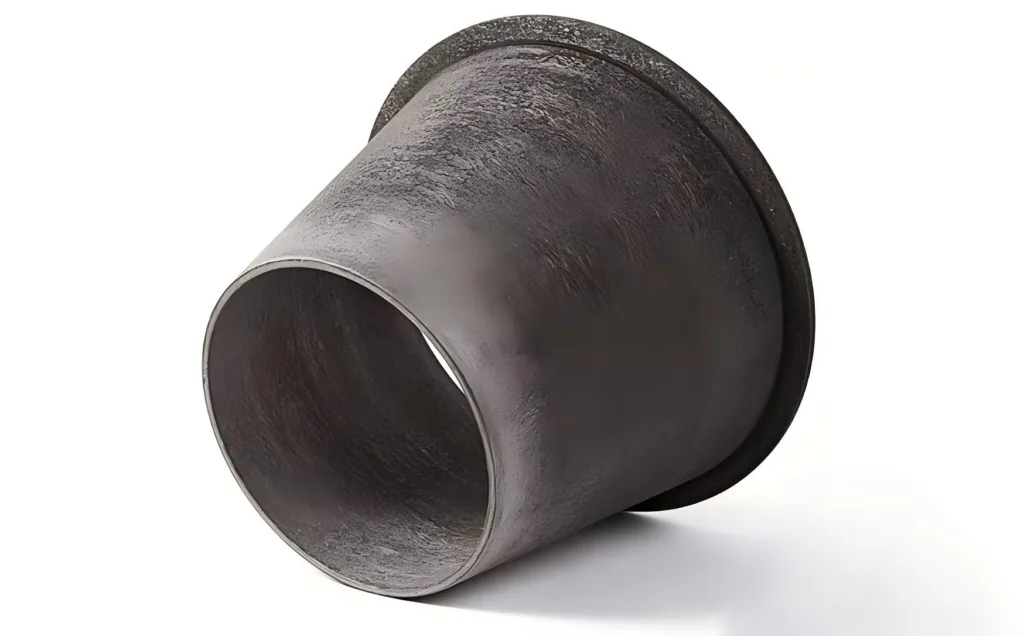
مركبات الكربون الكلورية فلورية المواد المركبة الكربون الكربون, تتميز بنقاء استثنائي, مقاومة درجات الحرارة العالية , التمدد الحراري المنخفض , الموصلية الحرارية متفوقة ، و الحد الأدنى من الشوائب هطول الأمطار ، تم تصميمها خصيصًا للأحادية البلورية السيليكون وكربيد السيليكون (SiC) أفران نمو الكريستال. إنها توفر مجموعة شاملة من مكونات المجال الحراري ذات درجة الحرارة العالية التي تحل محل أجزاء الجرافيت التقليدية، مما يؤدي إلى تحسينها أداء لعمليات نمو أشباه الموصلات والبلورات الضوئية المتقدمة مع معالجة التحديات الحرجة مثل التشوه الناتج عن درجات الحرارة العالية، والتلوث بالشوائب، وعدم استقرار المجال الحراري، وتقصير عمر الخدمة.
الجرافيت المسامي: قلب نمو كريستال كربيد السيليكون
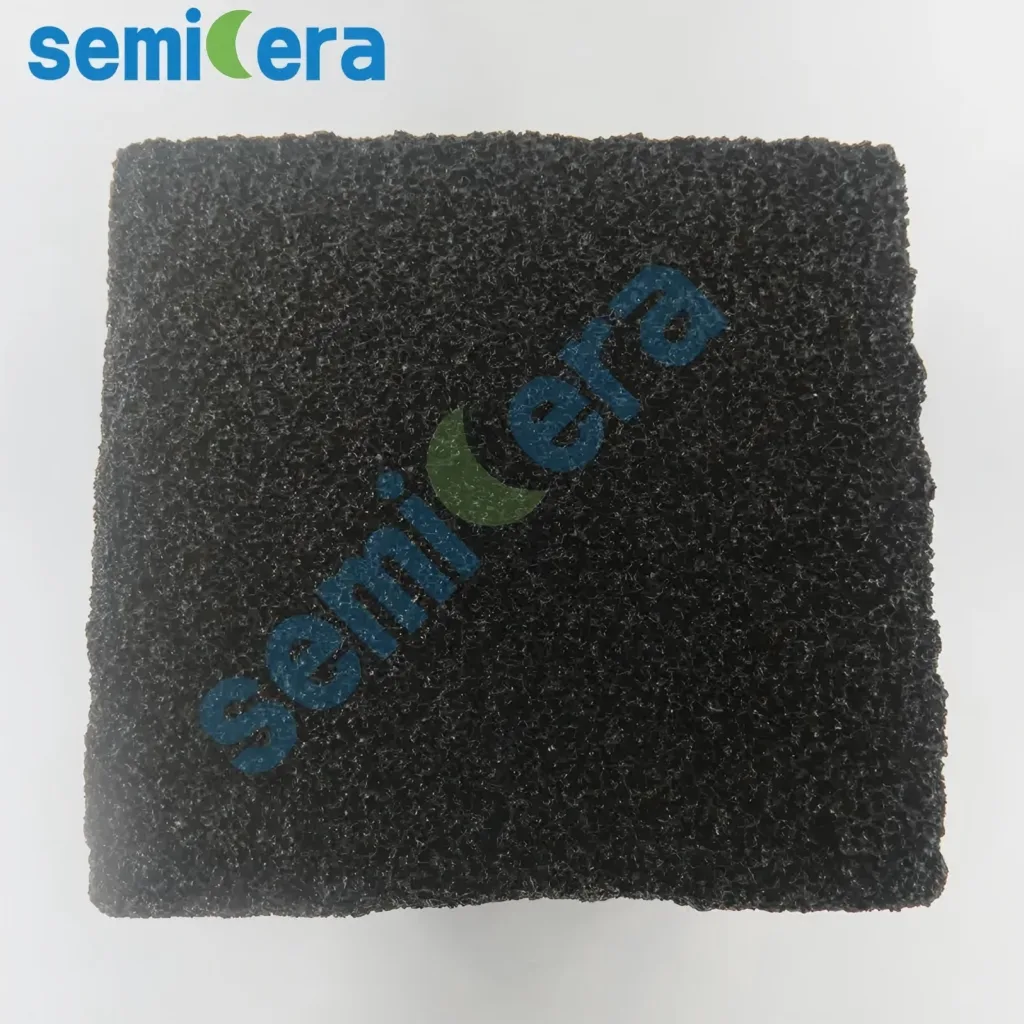
يواجه نمو بلورات SiC تحديات مثل الصعوبة العالية، ودورات البحث والتطوير الطويلة، والتكاليف المرتفعة، مما يشكل تحديات كبيرة في خفض التكاليف، وزيادة حجم الإنتاج، وتحسين الجودة. يظهر الجرافيت المسامي كحل مثالي لهذه المشكلة.
متقبل الجرافيت المطلي بـ SiC: دليل كامل
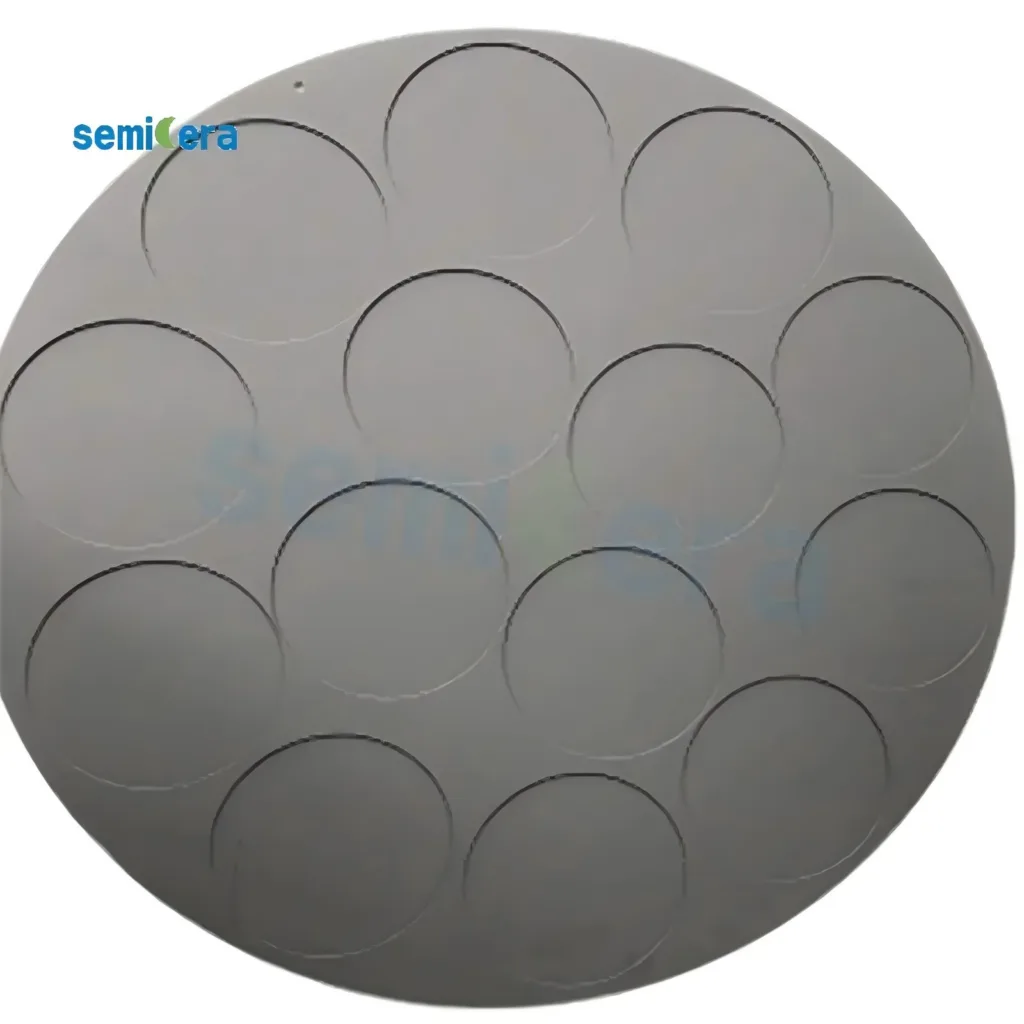
إن ركيزة الجرافيت المطلية بـ SiC هي أحد مكونات أشباه الموصلات المستخدمة لدعم وتسخين الركائز أحادية البلورة في معدات MOCVD (ترسيب البخار الكيميائي العضوي المعدني).
ما هي المادة الأساسية للجيل القادم من مستقبلات Epitaxy LED؟
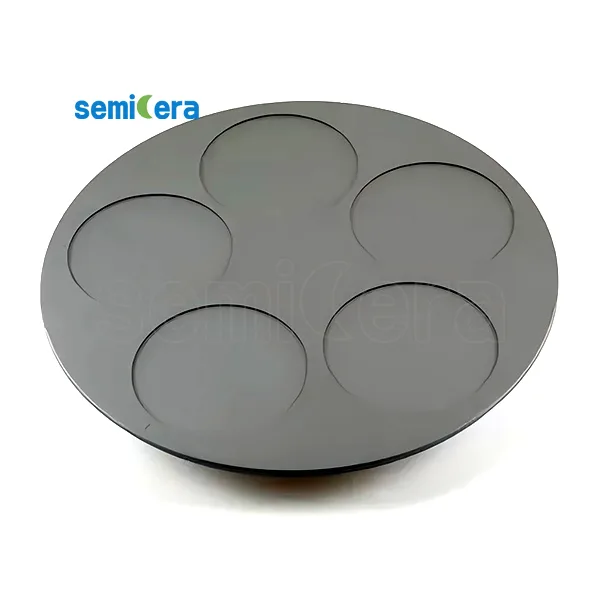
بفضل التقنيات الناشئة مثل Micro LED وMini LED والإضاءة العامة عالية الطاقة، يواجه تصنيع رقائق Epi-LED تحديات غير مسبوقة.
من أين يأتي نمو CVD-SiC? كيفية اغتنام فرصها?
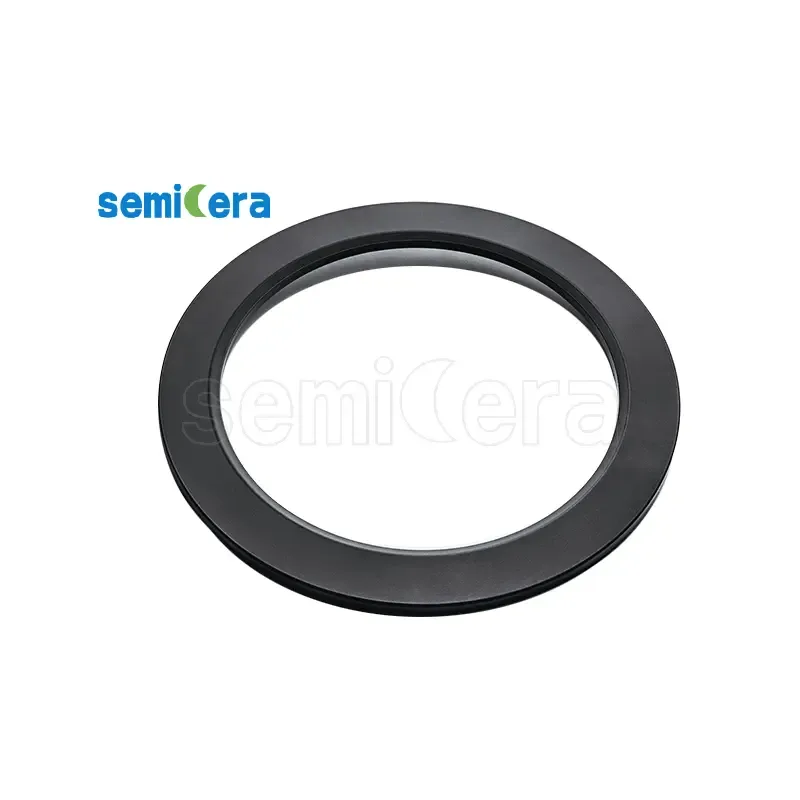
في نظام مواد أشباه الموصلات من الجيل الثالث العالمي، يتحول كربيد السيليكون لترسيب البخار الكيميائي (CVD-SiC) من "مادة خاصة" إلى "مادة استراتيجية".”
ما هو حجم سوق كربيد السيليكون (CVD-SiC)؟ لماذا هو حرج في هذه اللحظة؟
في موجة ابتكارات الجيل الثالث من أشباه الموصلات، كانت الاختراقات في مجال المواد دائمًا القوة الدافعة الأساسية للتنمية الصناعية.