
Why CFC Upper Insulation Covers Use Hot Pressing + Resin Impregnation Densification Instead of Pure CVD?
Semicera CFC Upper Insulation Cover is a high-performance carbon fiber composite thermal component made using resin impregnation and densification technology. It offers low density, high strength, excellent thermal stability, and uniform structure, making it widely used in semiconductor, photovoltaic, and high-temperature furnace systems.
The differences between CFC-filled insulation cylinders and other CFC components
The primary distinction between CFC hard felt insulation tubes and other CFC structural components (such as CFC crucibles, CFC flow tubes, and CFC support rings) lies in the fact that CFC hard felt insulation tubes serve as insulating materials rather than load-bearing structural components.
Why are there small holes on the CFC external diversion tube?
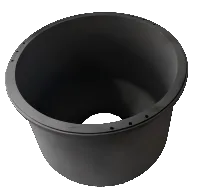
The CFC external deflector tube features a circular edge composed of flange edges and annular air holes. These air holes are not designed arbitrarily but are tailored to the thermal field structure, airflow control, and installation fixation requirements.
CFC crucible solutions and Practices for Semiconductor crystal growth furnaces
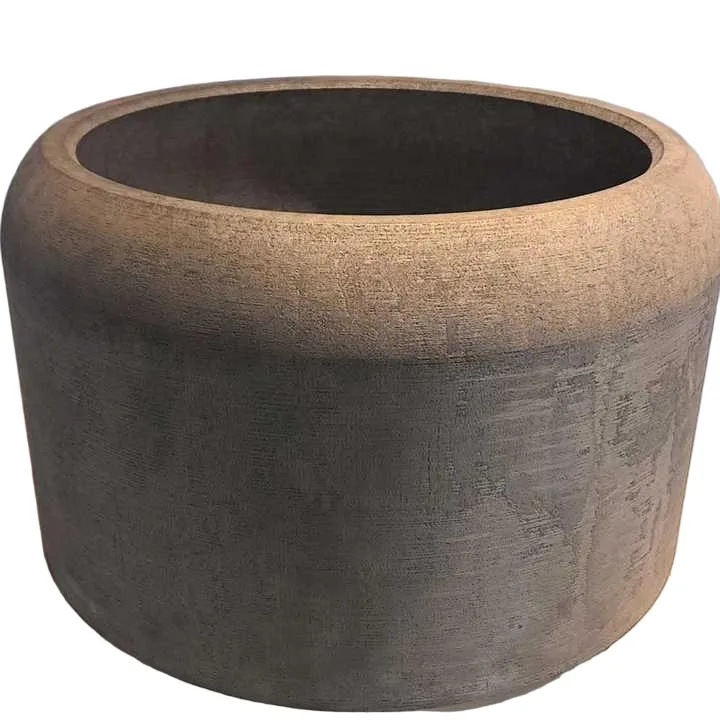
The CFC crucible, also known as a carbon/carbon composite crucible, is a high-temperature-resistant and high-strength container fabricated from carbon fiber-reinforced carbon matrix. It is primarily used in the high-temperature thermal environments for semiconductor monocrystalline and polycrystalline silicon production.
Innovation in Industrial High-Temperature Thermal Field Components — CFC Support Ring
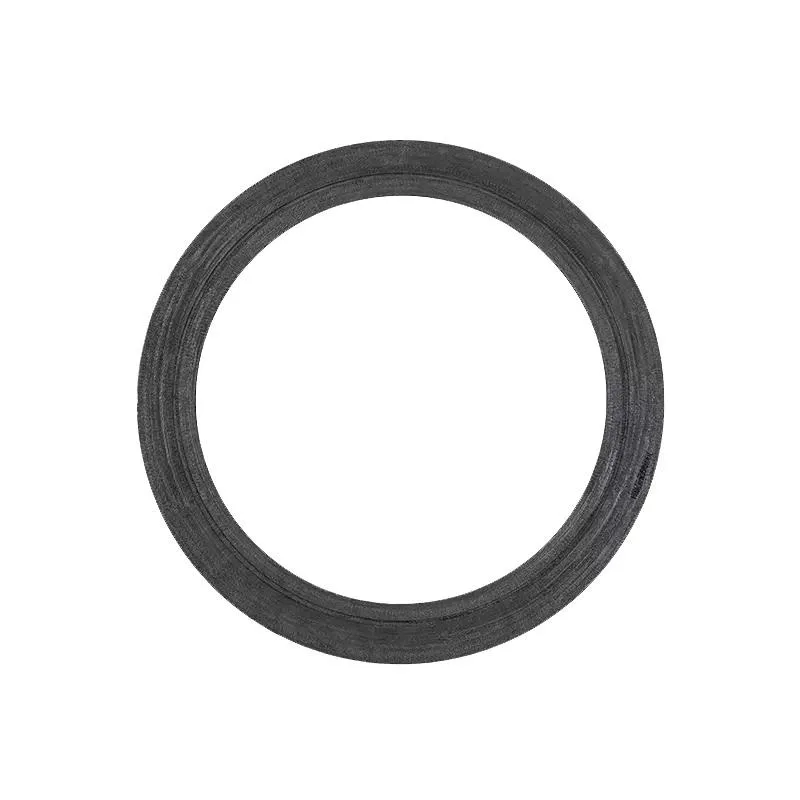
The CFC support ring, also known as a carbon fiber-reinforced carbon-based composite support ring, is a high-performance structural component fabricated using carbon fiber as the reinforcement and carbon as the matrix through carbonization and graphitization processes.
CFC Application for Semiconductor Thermal Field Components – Monocrystalline Silicon/SiC Growth Furnaces
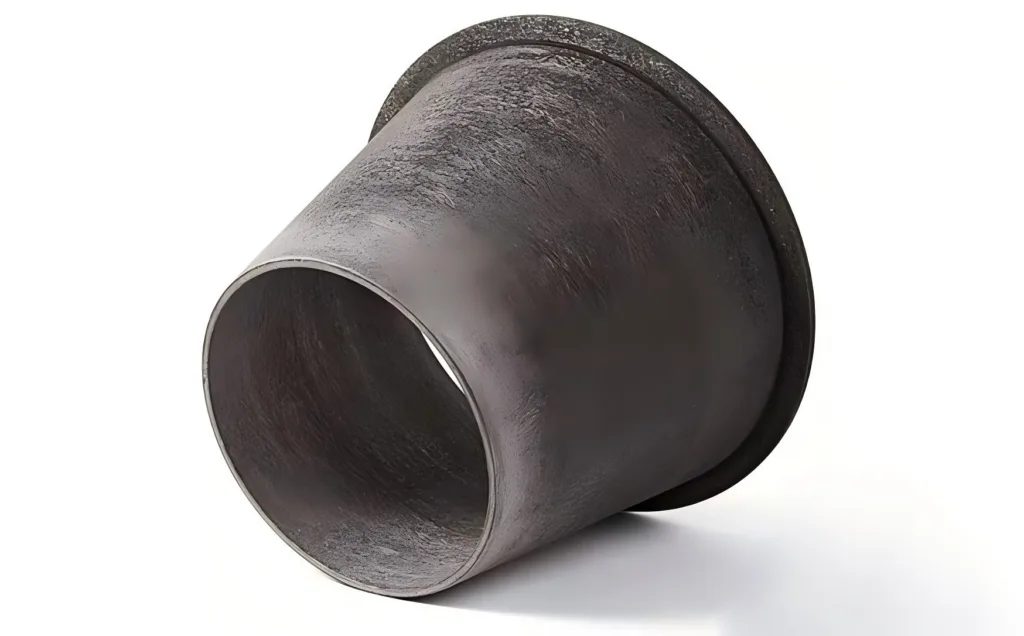
CFC carbon-carbon composite materials, boasting exceptional purity, high-temperature resistance, low thermal expansion, superior thermal conductivity, and minimal impurity precipitation, are specifically engineered for monocrystalline silicon and silicon carbide (SiC) crystal growth furnaces. They provide a comprehensive range of high-temperature thermal field components that replace traditional graphite parts, optimizing performance for advanced semiconductor and photovoltaic crystal growth processes while addressing critical challenges such as high-temperature deformation, impurity contamination, thermal field instability, and shortened service life.
Porous Graphite: The Heart of Silicon Carbide Crystal Growth
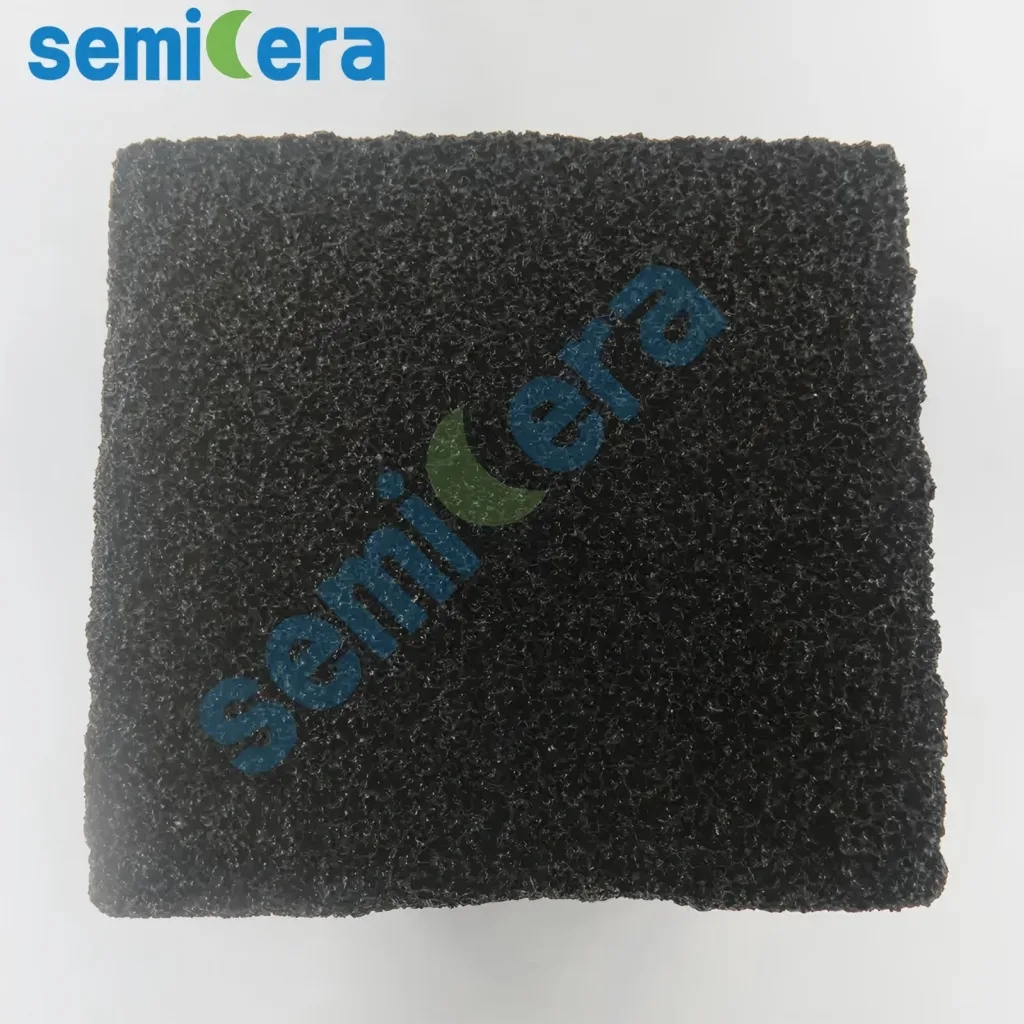
SiC crystal growth faces challenges such as high difficulty, lengthy R&D cycles, and elevated costs, posing major challenges in reducing costs, increasing production volume, and improving quality. Porous graphite emerges as the optimal solution to this issue.
SiC-Coated Graphite Susceptor: A Complete Guide
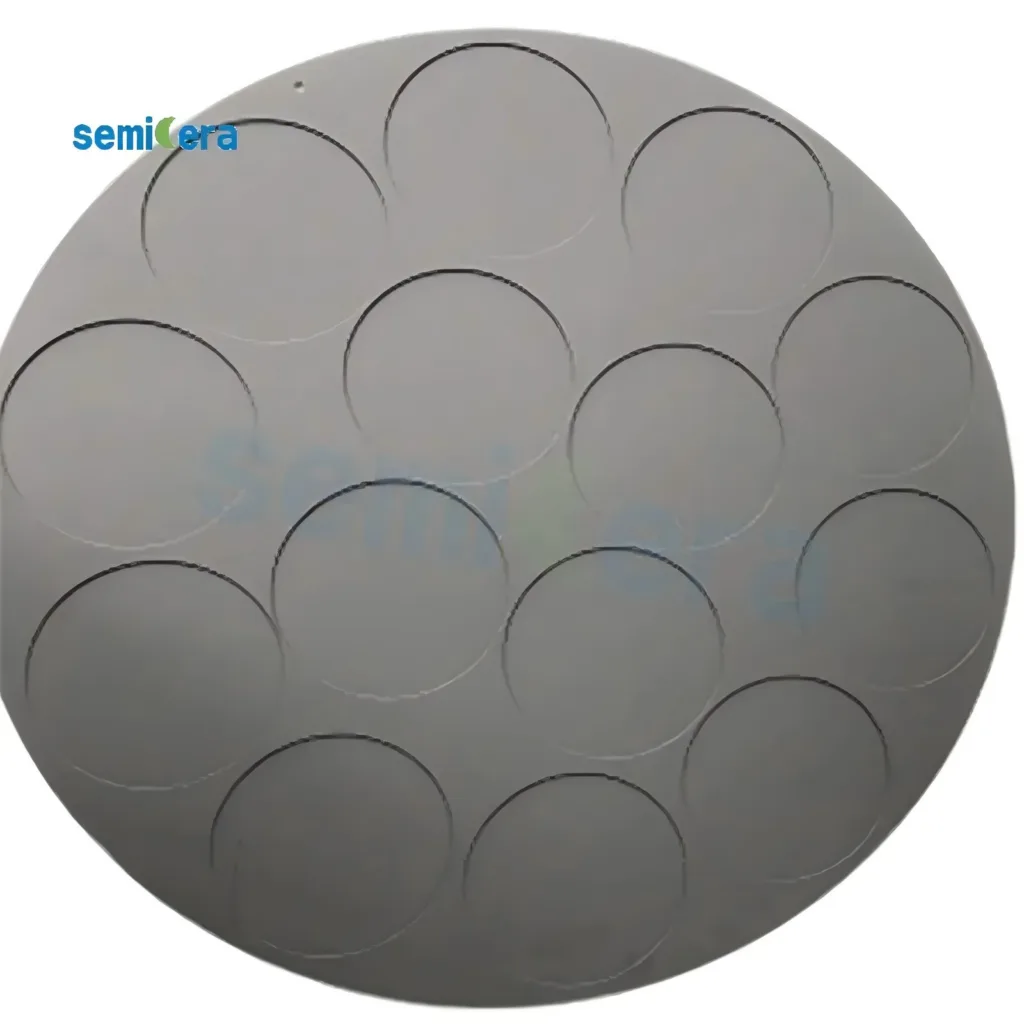
The SiC-coated graphite substrate is a semiconductor component used for supporting and heating single-crystal substrates in MOCVD (metal organic chemical vapor deposition) equipment.
What Is the Core Material for Next-Gen LED Epitaxy Susceptors?
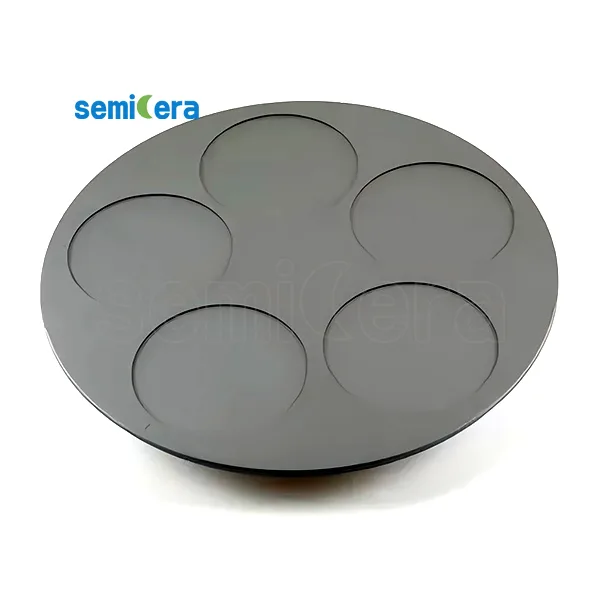
Driven by emerging technologies such as Micro LED, Mini LED, and high-power general lighting, the manufacturing of LED epi-wafers is facing unprecedented challenges.
Where Does CVD-SiC Growth Come From? How to Seize Its Opportunities?
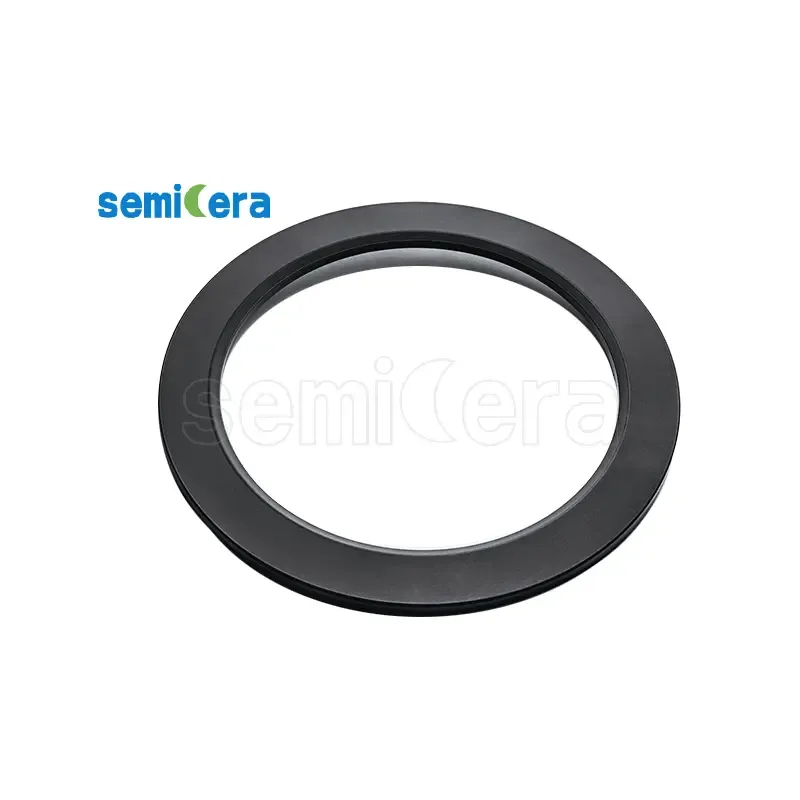
In the global third-generation semiconductor material system, Chemical Vapor Deposition Silicon Carbide (CVD-SiC) is shifting from a “special material” to a “strategic material.”