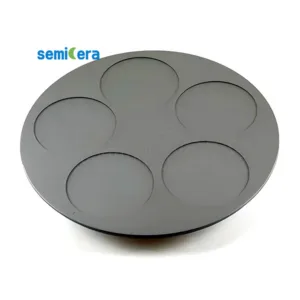
What Is the Core Material for Next-Gen LED Epitaxy Susceptors?
Driven by emerging technologies such as Micro LED, Mini LED, and high-power general lighting, the manufacturing of LED epi-wafers is facing unprecedented challenges.

Driven by emerging technologies such as Micro LED, Mini LED, and high-power general lighting, the manufacturing of LED epi-wafers is facing unprecedented challenges.
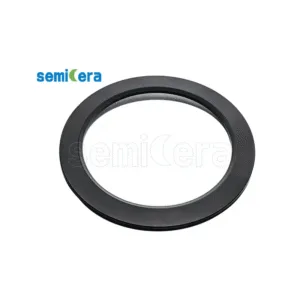
In the global third-generation semiconductor material system, Chemical Vapor Deposition Silicon Carbide (CVD-SiC) is shifting from a “special material” to a “strategic material.”
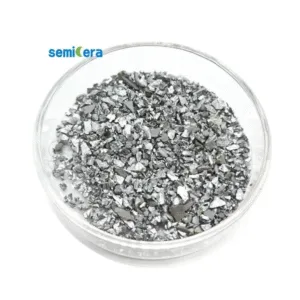
In the wave of innovation of third-generation semiconductors, breakthroughs in materials have always been the core driving force of industrial development.

In advanced-node semiconductor fabrication, the stability of equipment and materials has become a decisive factor restricting yield improvement.
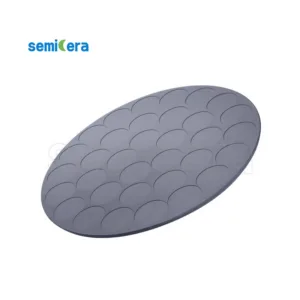
What’s Behind the Durability of CVD SiC Coatings? What’s behind the durability of CVD SiC coatings? It lies in their extraordinary material properties.
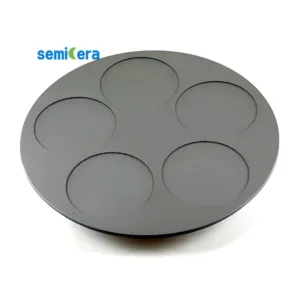
How LED Epi Susceptor Manufacturing Thrives in China China has emerged as a powerhouse in LED epi susceptor manufacturing.

An epi barrel susceptor plays a pivotal role in semiconductor manufacturing, serving as the foundation for epitaxial growth processes.
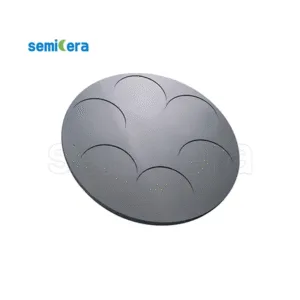
Why MOCVD Susceptor Material Choices Matter Most Material selection plays a pivotal role in the performance of an MOCVD susceptor.
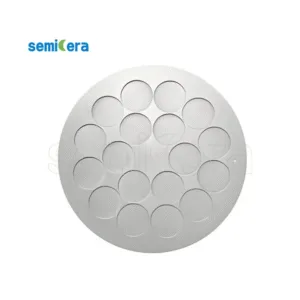
Silicon carbide (SiC) consistently outperforms other materials as an MOCVD susceptor due to its exceptional thermal conductivity, unmatched durability, and remarkable chemical stability.